
Cracks With Sinking or Uneven Areas: What It Means and How to Fix It
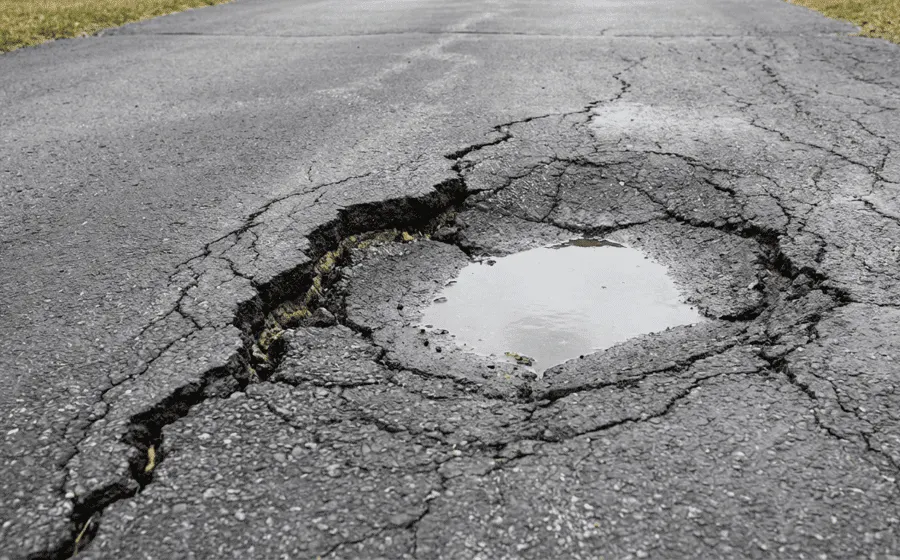
Not all driveway cracks are the same. When a crack appears along with sinking, dips, or uneven spots, it usually points to a deeper issue below the surface. In many cases, the asphalt is no longer supported evenly, which causes the pavement to settle or shift over time.
Alligator Cracking (Spiderweb Cracks): When Sealing Isn’t Enough
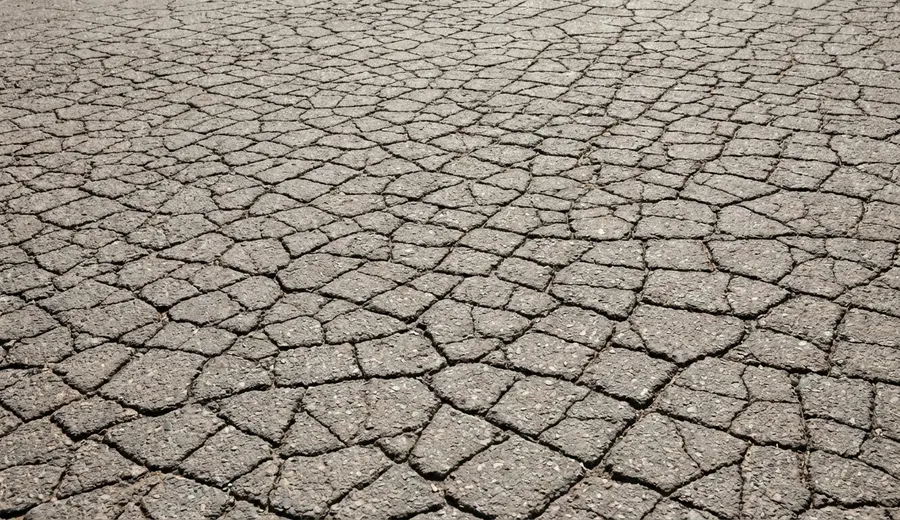
Alligator cracking, also known as spiderweb cracks, creates a pattern of interconnected cracking that looks like a web or reptile skin. This type of damage usually appears in high-stress areas of an asphalt driveway, such as near the garage, turning points, or places where vehicles regularly park.
Edge Crack Repair: What Causes Driveway Edge Cracks and How to Fix Them
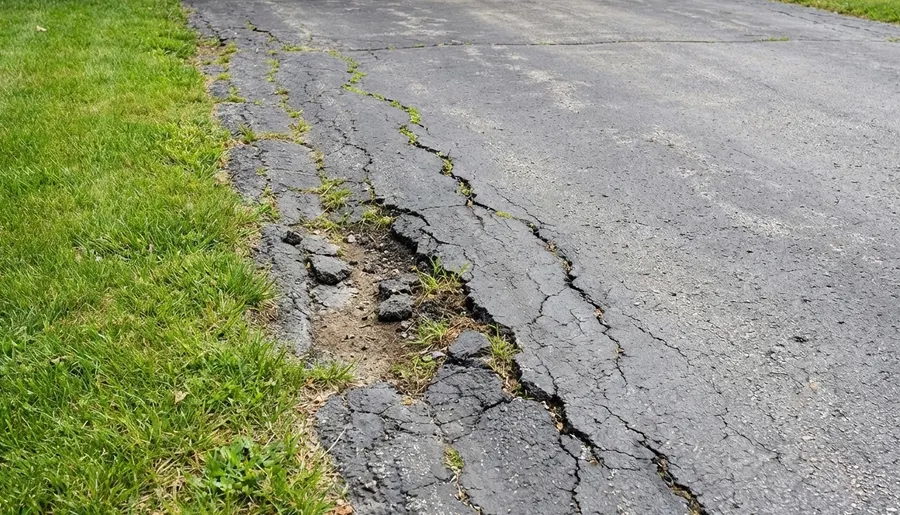
Edge cracks are cracks that form along the outer edges of an asphalt driveway, usually within the first 6 to 24 inches from the side. They often start as small surface lines, but they can expand quickly because the edge of the pavement is one of the weakest areas, especially when it does not have strong support underneath.
Transverse cracks
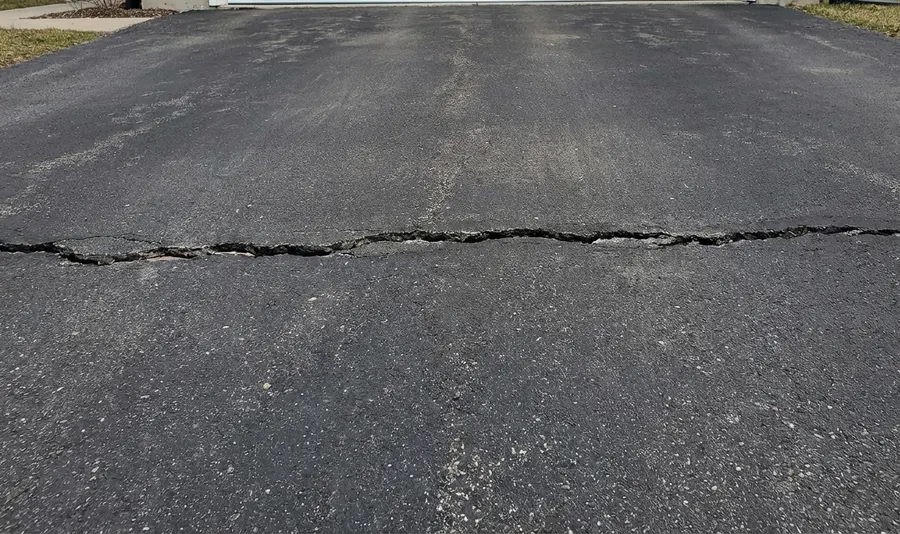
Transverse cracks are cracks that run across your driveway, usually from one side to the other. Unlike long (longitudinal) cracks, these form perpendicular to the direction of the pavement. They can appear as a single straight line or as multiple cracks spaced out across the surface.
Longitudinal Cracks
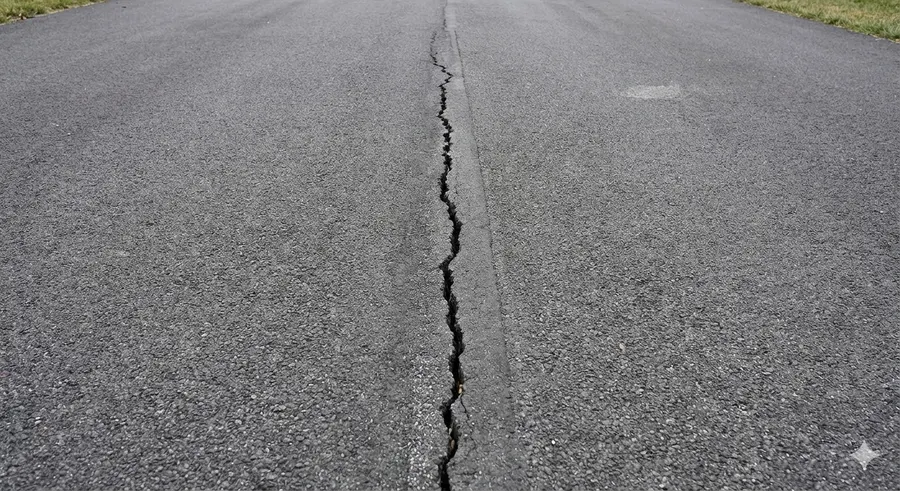
Long (longitudinal) cracks are cracks that run in a straight line along the direction of your driveway. They often appear near the center of the pavement, along one side, or close to seams where two asphalt sections meet. In Idaho, these cracks are fairly common due to temperature swings, moisture, and natural ground movement.
Hairline Cracks in Asphalt Driveways: Causes and Prevention
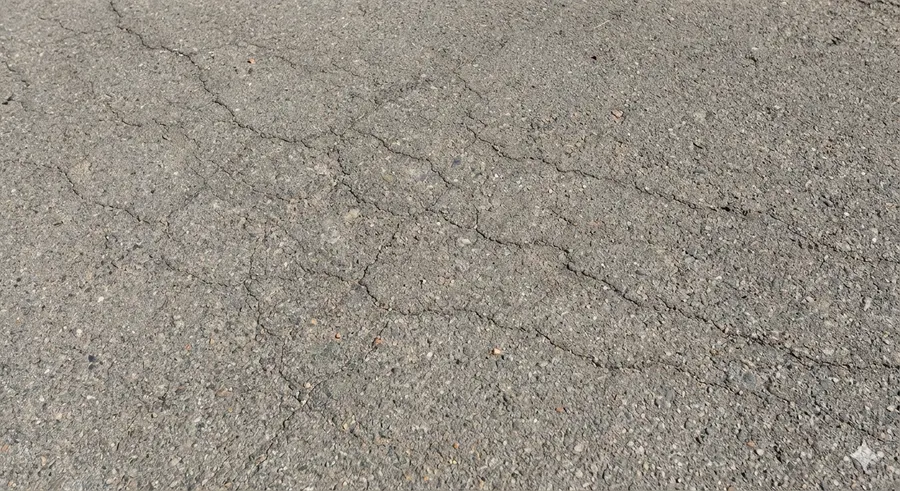
Hairline cracks are thin, barely noticeable cracks that often show up on asphalt driveways as the surface begins to age. Most of the time, they start small and don’t seem like a big deal. But they are usually the first sign that the asphalt is drying out and losing some of the flexibility it needs to handle weather and daily use.
How to Maintain Asphalt in Winter
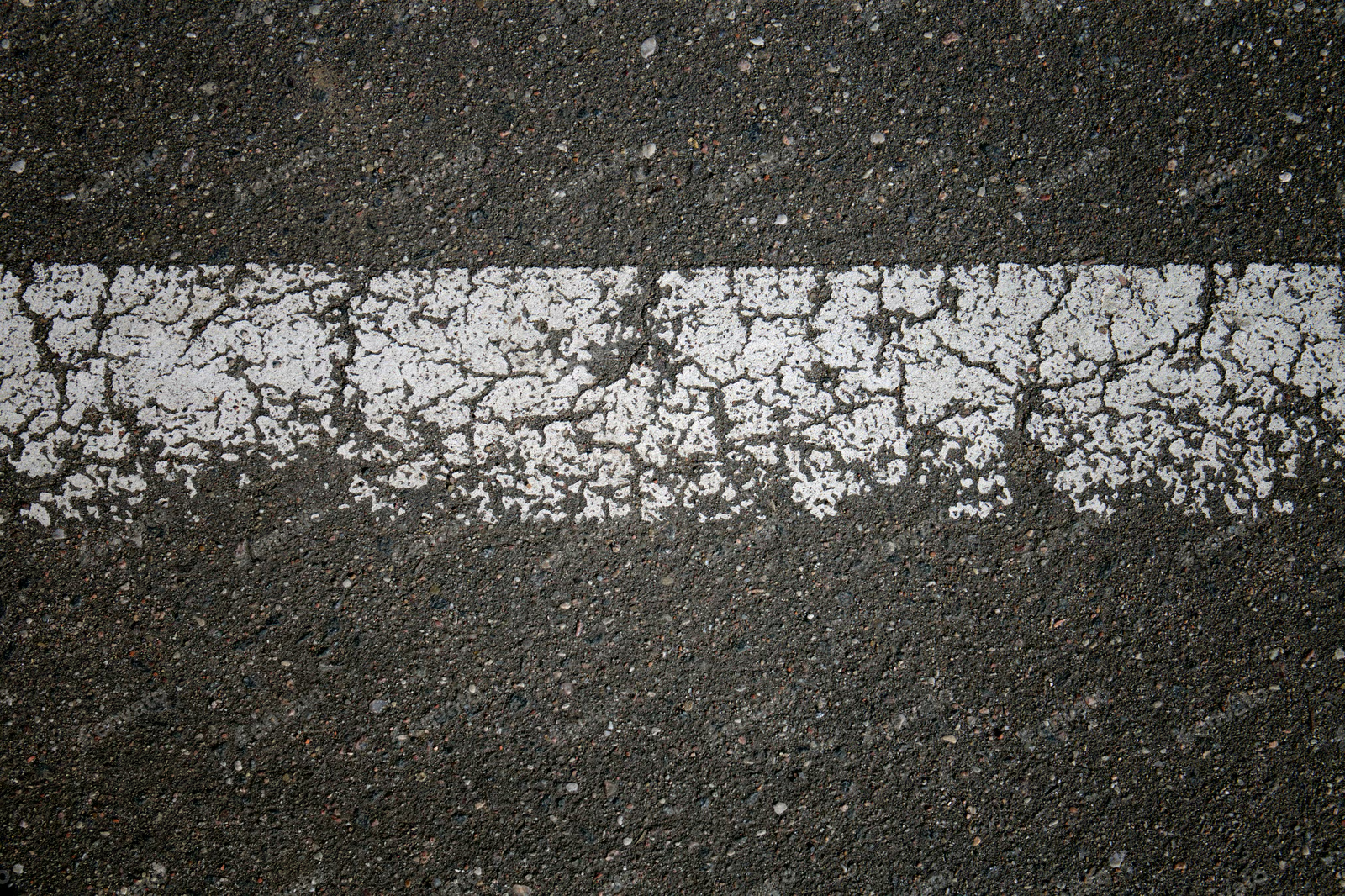
Around Treasure Valley, winter is when asphalt really shows what shape it’s in. You start to notice cracks opening up, edges breaking down, and areas that just don’t look or feel as solid as they did a few months ago. A lot of people ask us how to maintain asphalt in winter, especially when sealcoating isn’t an option because of the temperatures.
Asphalt in Idaho: How Pavement Shaped Modern Cities (and Why It Still Matters Today)
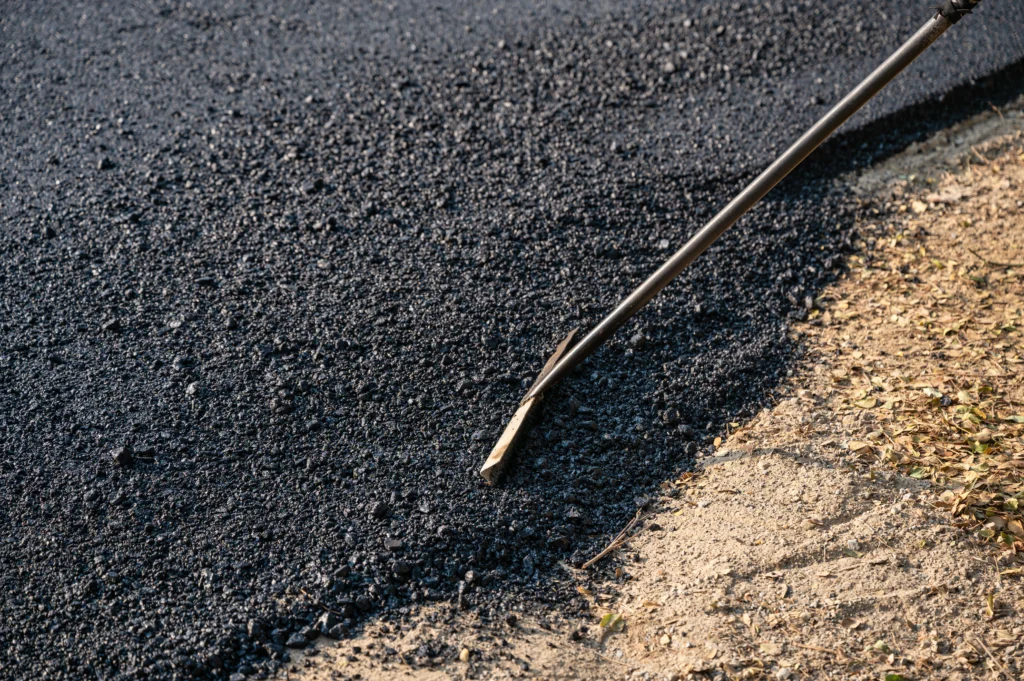
When we drive on smooth, well-paved roads in Idaho or park in a freshly coated parking lot, we rarely think about the history beneath our wheels. Yet, asphalt has been shaping communities for thousands of years
Parking Lot Safety: Are You Legally Liable? The Hidden Risks Every Commercial Property Owner Must Address
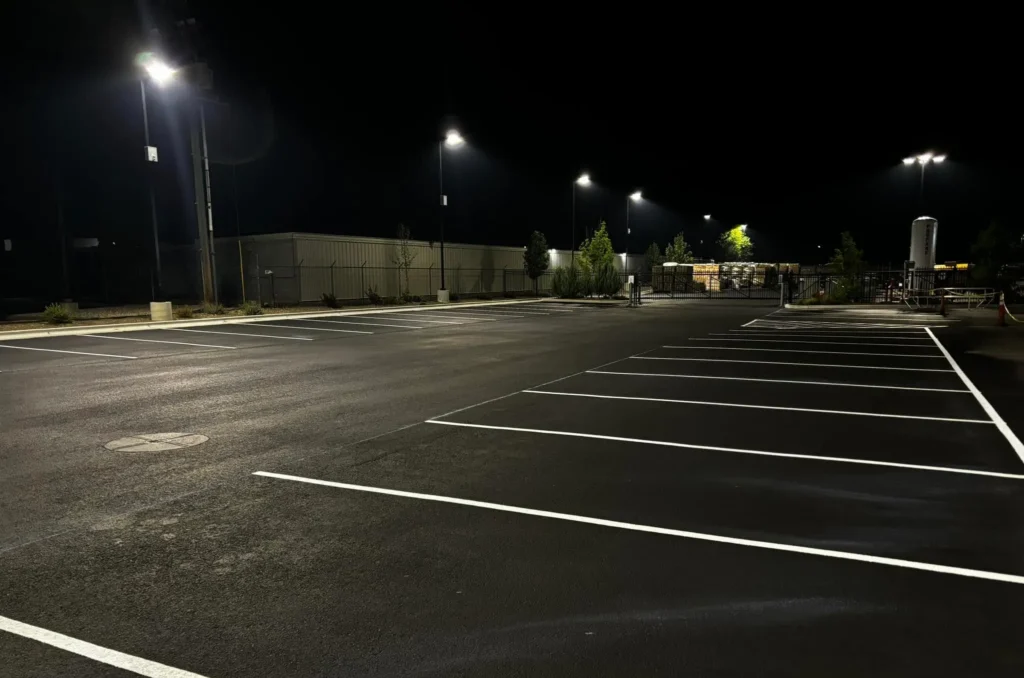
our parking lot might be the first impression customers get of your business—but if it’s unsafe, it could also be the reason for a costly lawsuit. Cracks, potholes, faded striping, or poor lighting don’t just look unprofessional—they create real safety hazards that could make you liable for accidents.
10 Common Reasons Why Your Driveway Cracks (and How to Fix Them)
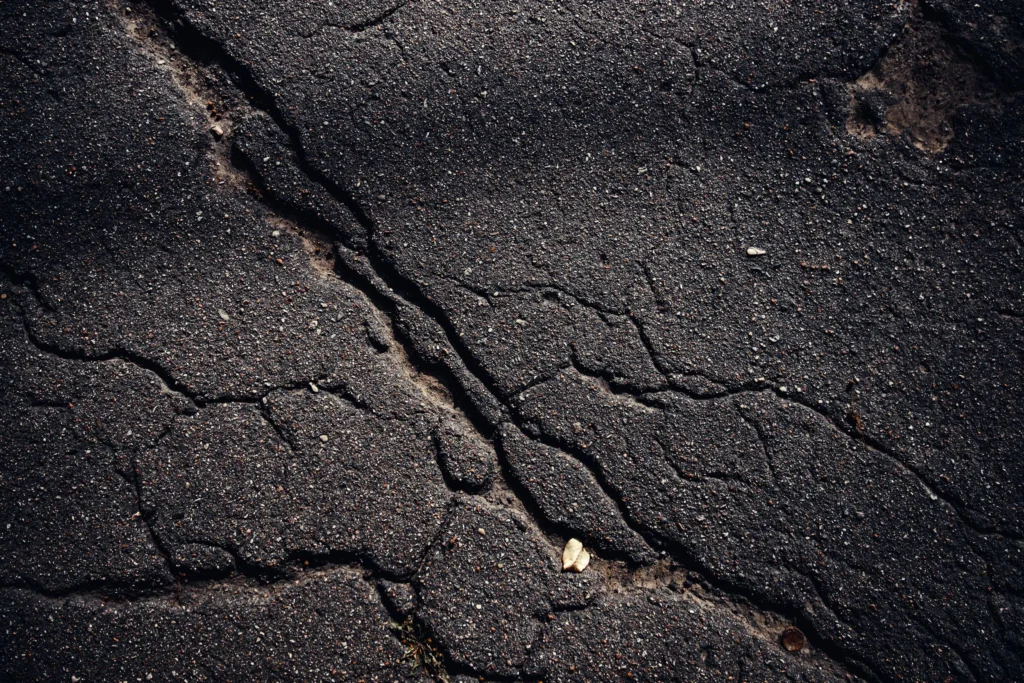
Your driveway is one of those things that homeowners often overlook—until problems appear. Yet, it’s also the first impression your home makes. A smooth, well-maintained asphalt driveway not only looks appealing but also adds safety and value to your property.