
Which cracks can be sealed and which mean something worse
Our process
- 1
Assess the crack
Type, width, depth and pattern, because that decides the method. An isolated straight crack and an area of alligator cracking are different jobs.
- 2
Clean it out
Debris, dirt, vegetation and loose material come out of the crack. Anything left in there stops the sealant bonding.
- 3
Fill it
Hot-pour sealant worked into the crack until it fills the void completely, bonds to the pavement on both sides, and makes a watertight seal.
On a sealcoating job the crack filler is heated on site and a coat of tar goes over every crack before any sealer is sprayed.
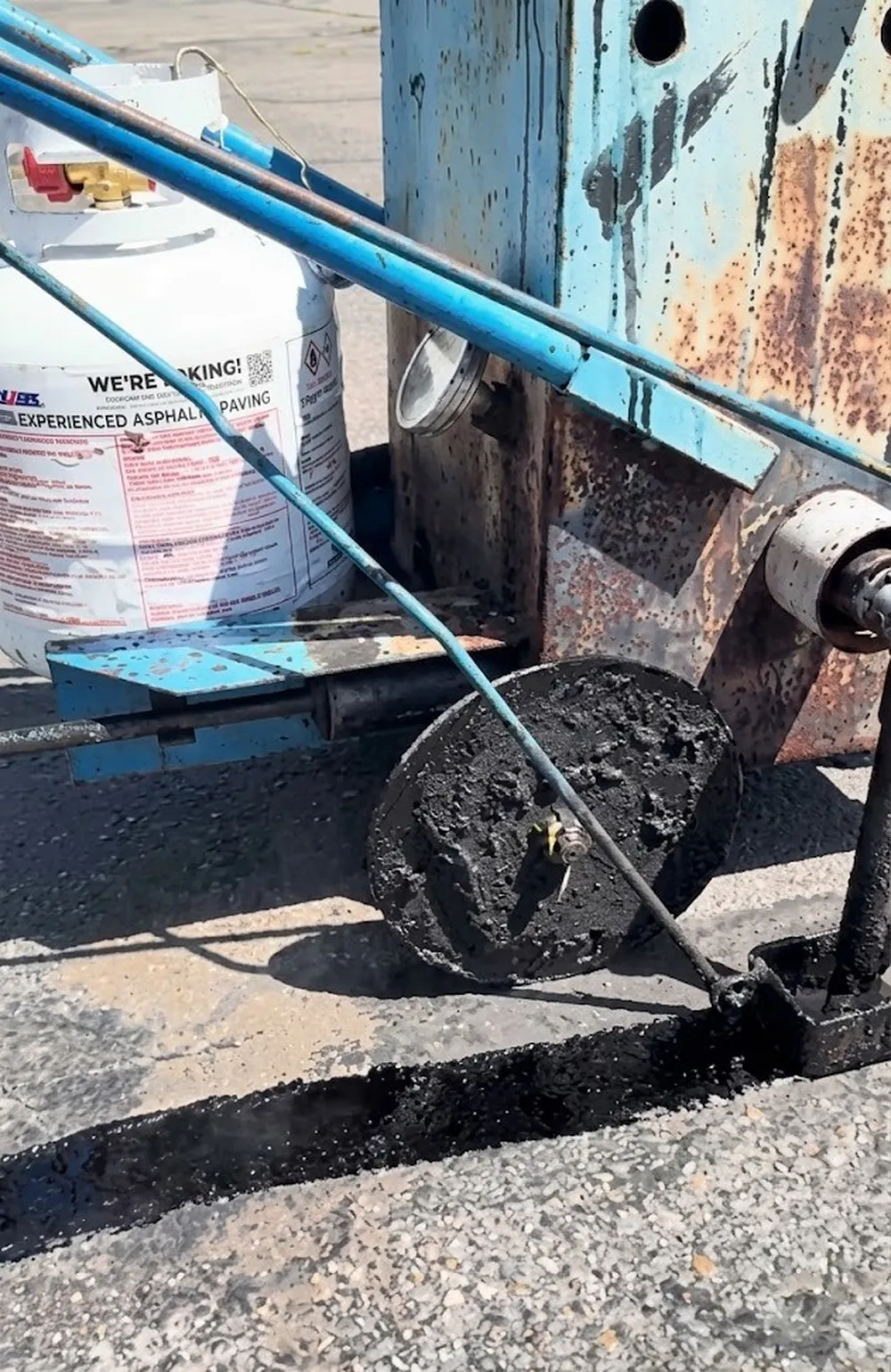
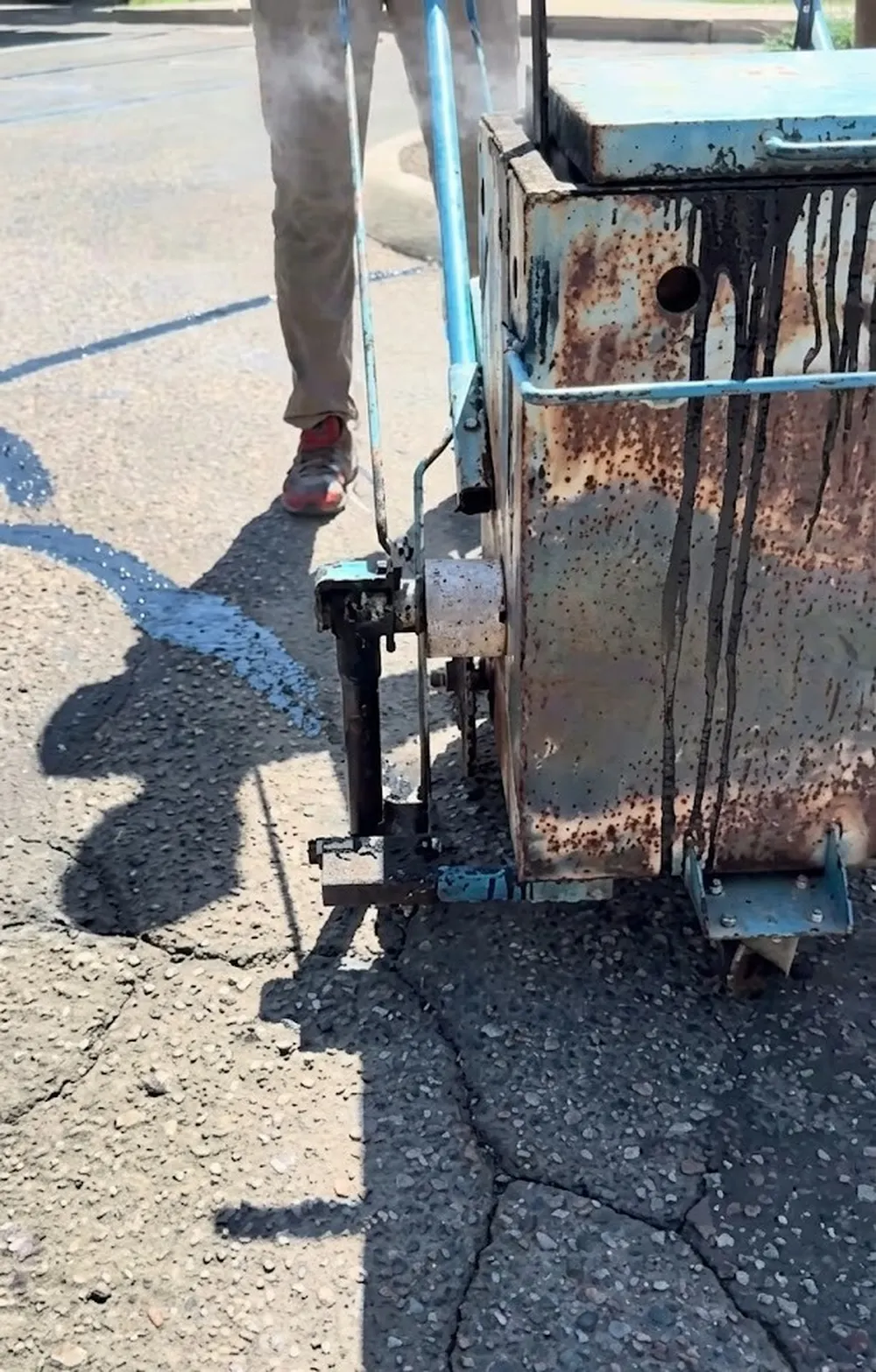
Cracks get filled before sealcoating, not after
Cracks are filled and allowed to cure before a sealcoat goes down. Applying sealcoat over open cracks does not seal them, and it can trap moisture under the surface, which makes the damage worse over time.
What crack repair costs
Crack filling shows up on every estimate as its own line item, so you can see the number and decide. We will do crack filling on its own with no sealcoating if that is all you want.
On a typical driveway, crack filling is included in the $450 to $800 range along with cleaning and two coats of sealer.
Why deep cracks cost more
The longer and deeper a crack runs, the more material it takes to fill. A driveway with a few hairlines and a driveway with deep cracks across it are not the same job even at the same square footage.
Crack filling is quoted as its own line item after we measure the cracks. We also do standalone crack filling when sealcoating is not needed.
Does hardware store crack filler work?
Consumer-grade crack fillers exist and they are not useless, but they are less durable than professional material and they do not adhere as well in wider or deeper cracks. They work as a temporary measure. They are unlikely to hold through a full Treasure Valley winter.
If you want to do it yourself, the tool that matters is a crack fill machine with a propane tank and a torch, because hot-pour material is what actually bonds.
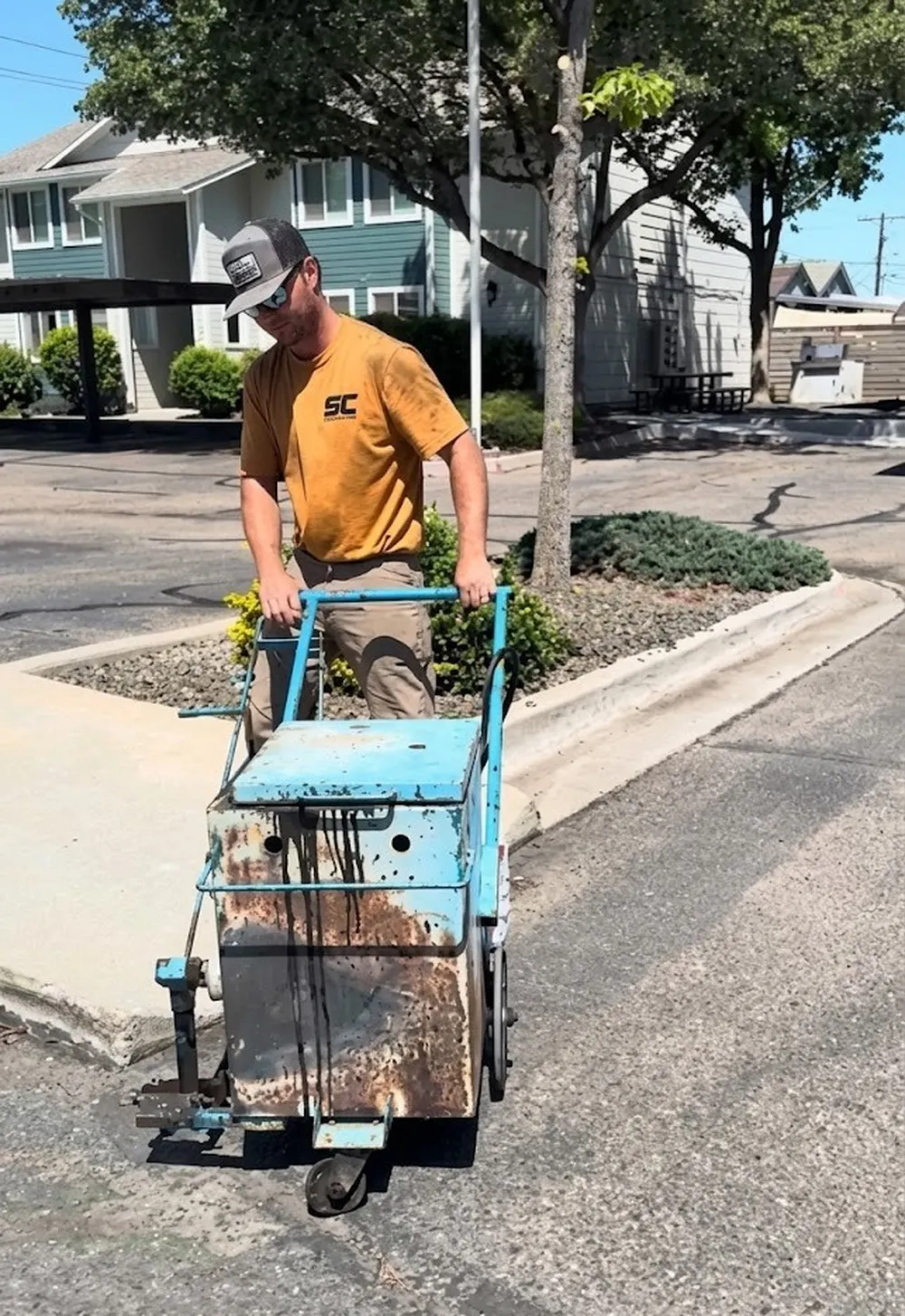
When sealing will not hold
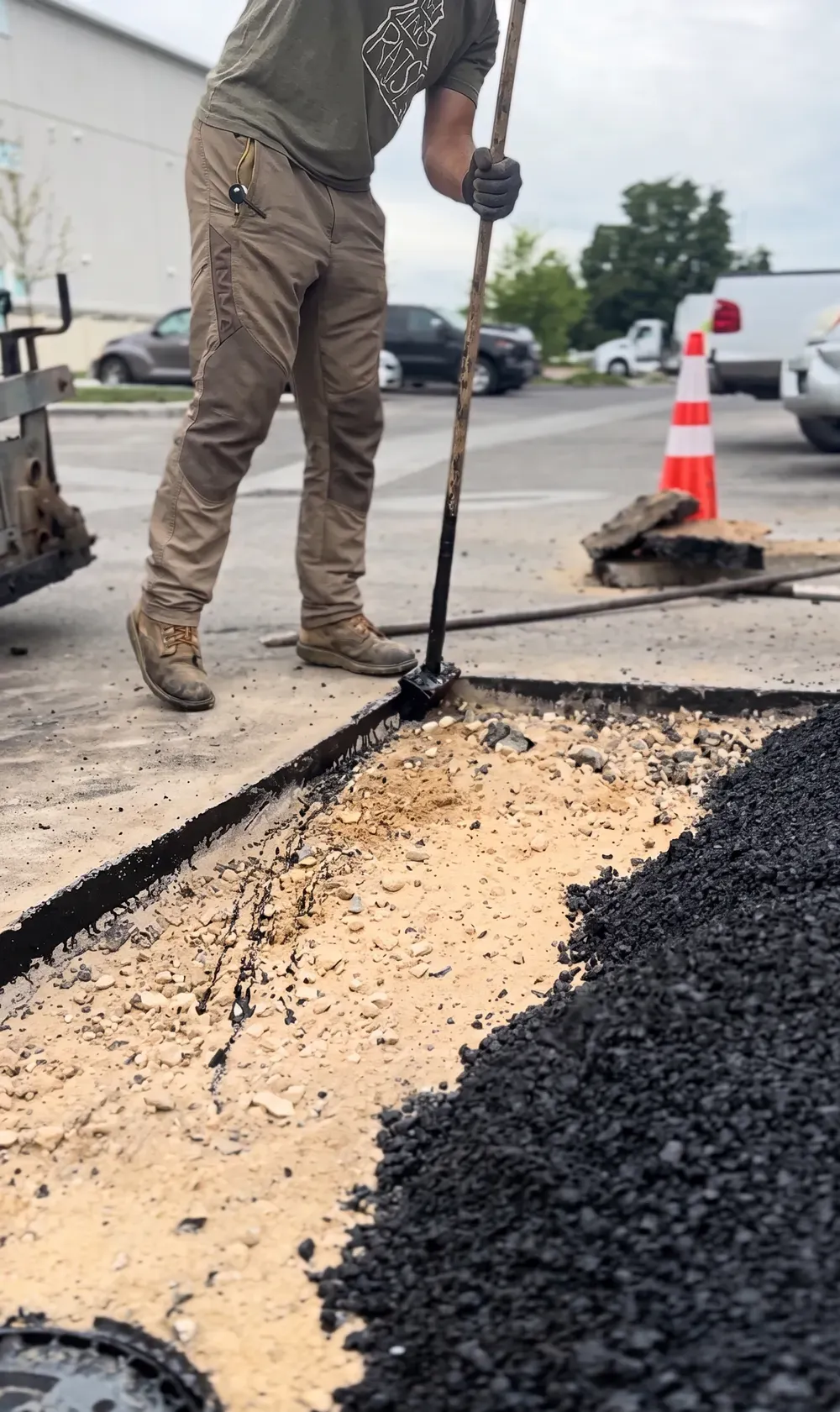
Alligator cracking, a pattern of interconnected cracks that looks like reptile skin, usually means the base under the asphalt has failed. Sealing the surface will not fix a base problem. That area needs asphalt patching and repair, and sometimes it needs to be cut out and replaced.
The same is true for cracks with sinking or low spots around them. Something moved underneath, and until that is dealt with anything we put on top is temporary. In severe cases, a full repave might be the only permanent solution.
Timing
Crack repair works best in warmer months, when temperatures stay above 40°F for most of the day, so the filler flows into the crack properly, bonds, and cures. Some products can go down in cooler temperatures for urgent situations.
Crack types, in depth
Dive into the specific types of damage we see across the Treasure Valley and what causes them.
Frequently Asked Questions
Get a free estimate
Call or request a quote online. We'll walk the property with you and price it.